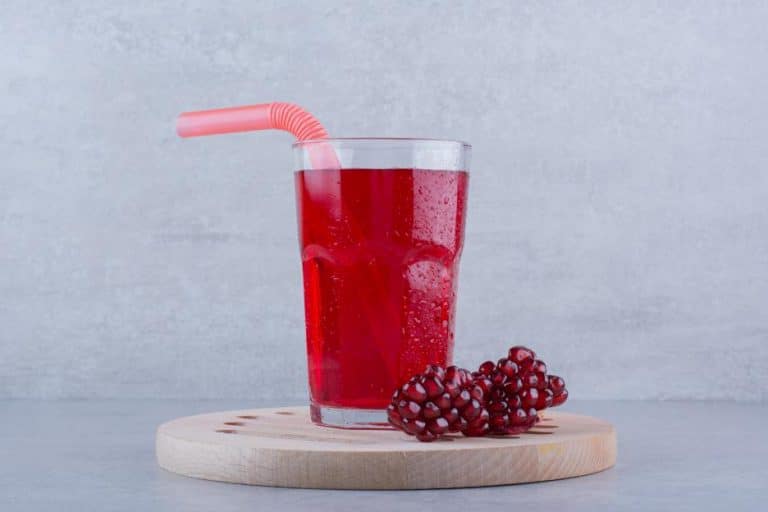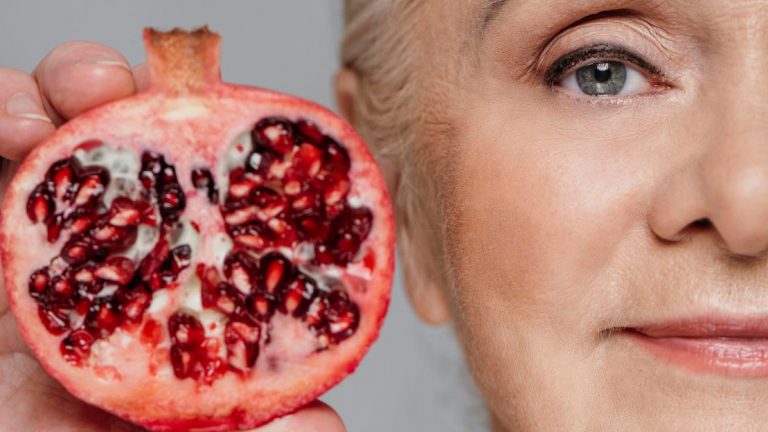
Pomegranate juice is rich in bioactive phytochemicals with antioxidant, and anti-inflammatory and cardioprotective functions. The present trial investigated the acute effects of Pomegranate juice consumption on blood pressure and markers of endothelial function.
Consumption of Pomegranate juice could be considered in the context of both dietary and pharmacological interventions for hypertension.

RESEACH TITLE: Clinical investigation of the acute effects of pomegranate juice on blood pressure and endothelial function in hypertensive individuals
COUNTRY: Iran
CONDUCTED BY: University of Medical Sciences, Iran.Professor, Isfahan Cardiovascular Research Center, Isfahan Cardiovascular Research Institute, Isfahan University of Medical Sciences, Isfahan, Iran
PUBLISHED ON: Arya atherosclerosis
RESEACH:


Background
Pomegranate juice is rich in bioactive phytochemicals with antioxidant, and anti-inflammatory and cardioprotective functions. The present trial investigated the acute effects of Pomegranate juice consumption on blood pressure and markers of endothelial function.
Methods
In this single-arm study, thirteen hypertensive men aged 39-68 years were recruited. Included subjects were assigned to natural Pomegranate juice (150 ml/day) following a 12 hour fast. Systolic blood pressure (SBP), diastolic blood pressure (DBP), and flow-mediated dilation (FMD), along with serum concentrations of C-reactive protein (CRP), intracellular adhesion molecule-1 (ICAM-1), vascular cell adhesion molecule 1 (VCAM-1), E-selectin and interleukin-6 (IL-6) were measured at baseline and 4-6 hours after Pomegranate juice consumption.
Results
Comparison of pre- vs. post-trial values revealed a significant reduction in both SBP (7%; P = 0.013) and DBP (6%; P < 0.010). However, changes in FMD (20%) as well as circulating levels of CRP, ICAM-1, VCAM-1, E-selectin, and IL-6 did not reach statistical significance (P = 0.172).
Conclusion
Pomegranate juice has promising acute hypotensive properties. Consumption of Pomegranate juice could be considered in the context of both dietary and pharmacological interventions for hypertension.
YEAR: 2013